TapClick and drag to look around. PinchUse your mouse scroll wheel to zoom in and out. You can navigate the virtual spaces by:

Touch and hold an object touchpoint to read its label. Click on an object touchpoint icon to learn more about how the object was used. Some objects have sound or video.

Open or close the Stop Details pane by clicking the ICON in the top left of the header.

ToggleDetailsHistoric Garden View in Detail Mode Toggle Navigation Menu

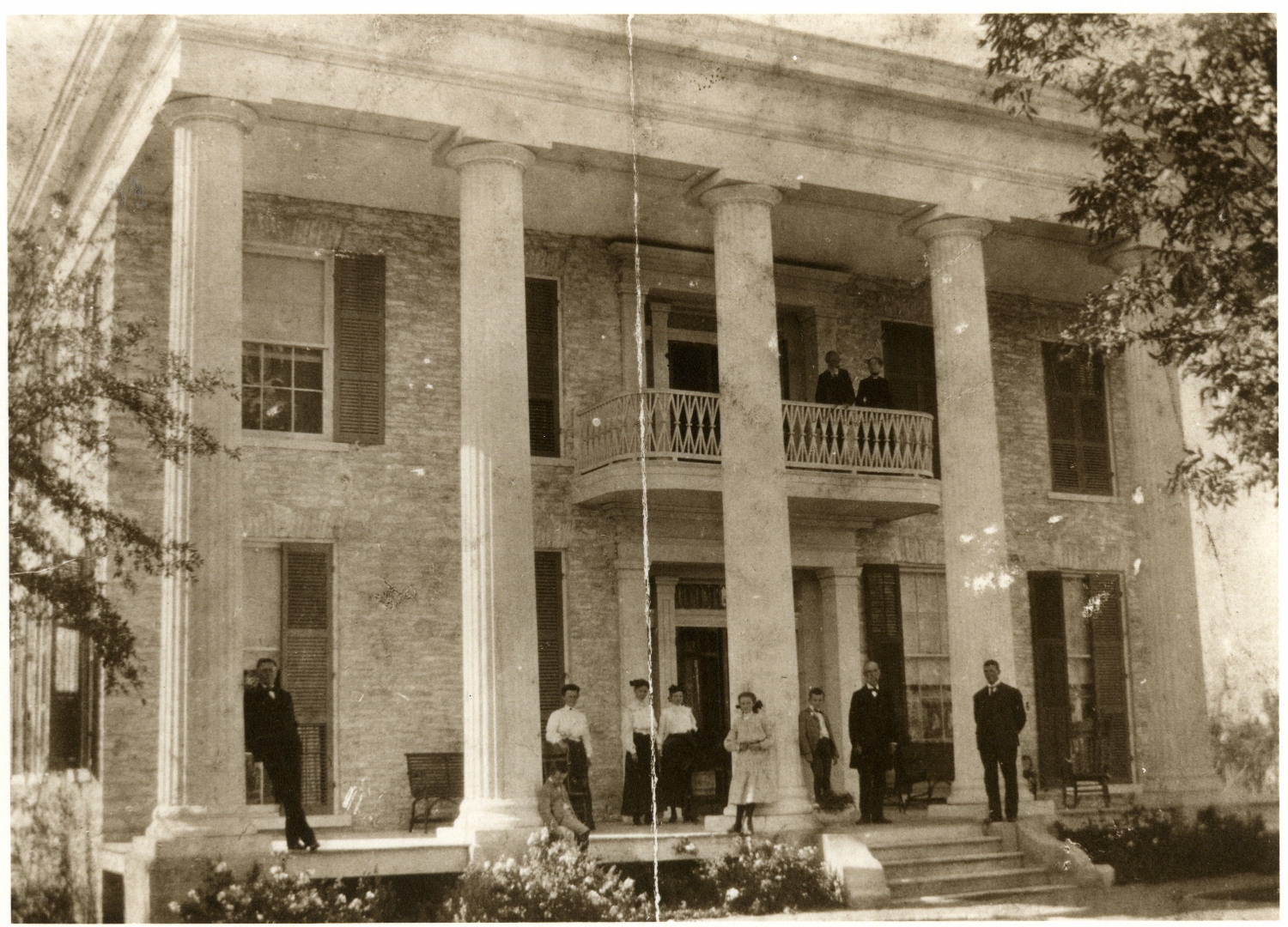
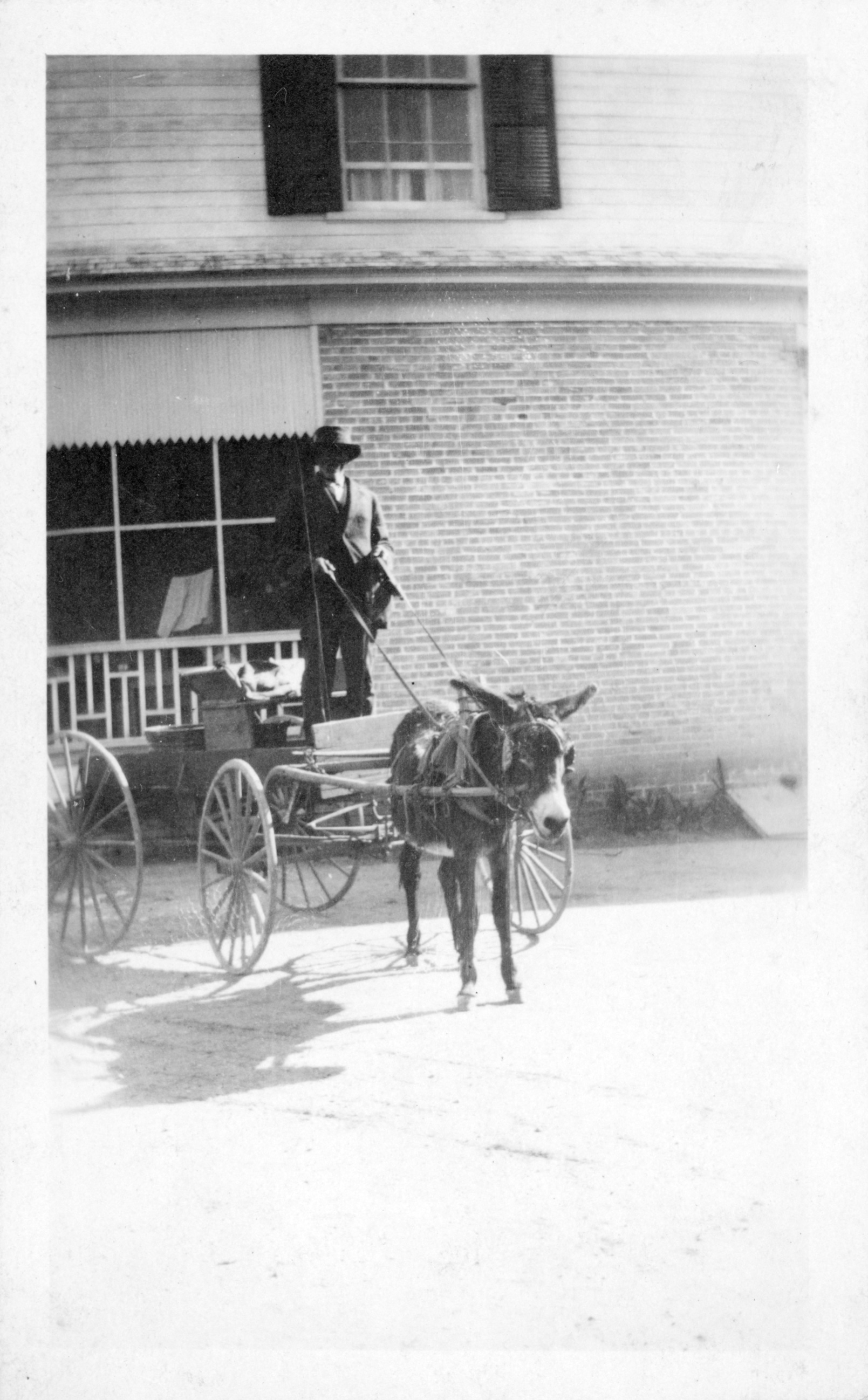
The NCHM garden reflects two moments in time; 1855, when the site construction began; and 1930, while the Cochran family lived in the home. During the earlier period, Austinites grew locally most of what they ate. This included:
beans
corn
wheat
lettuce greens
herbs
peaches
melons
tomatoes
okra
summer and winter squash
and more
However, the climate was harsh - late frosts, hail, floods, and drought all took their toll.
By 1930, grocery stores were commonplace and most residential gardens for middle and upper class Austinites were primarily ornamental.

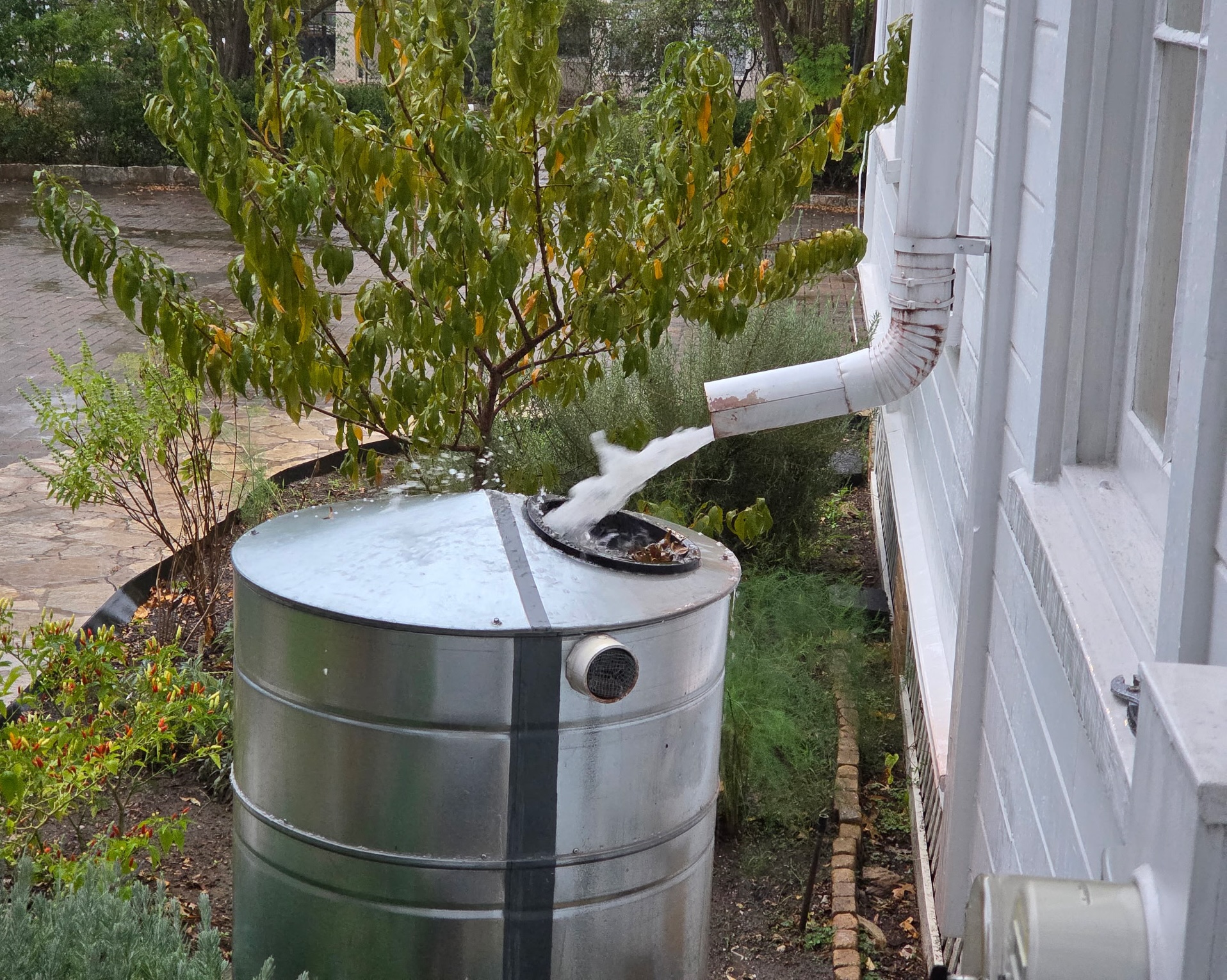
Slave Quarters and Grounds

Enter Virtual Experience for "Historic Garden"Historic Garden

The NCHM garden reflects two moments in time; 1855, when the site construction began; and 1930, while the Cochran family lived in the home. During the earlier period, Austinites grew locally most of what they ate. This included:
beans
corn
wheat
lettuce greens
herbs
peaches
melons
tomatoes
okra
summer and winter squash
and more
However, the climate was harsh - late frosts, hail, floods, and drought all took their toll.
By 1930, grocery stores were commonplace and most residential gardens for middle and upper class Austinites were primarily ornamental.
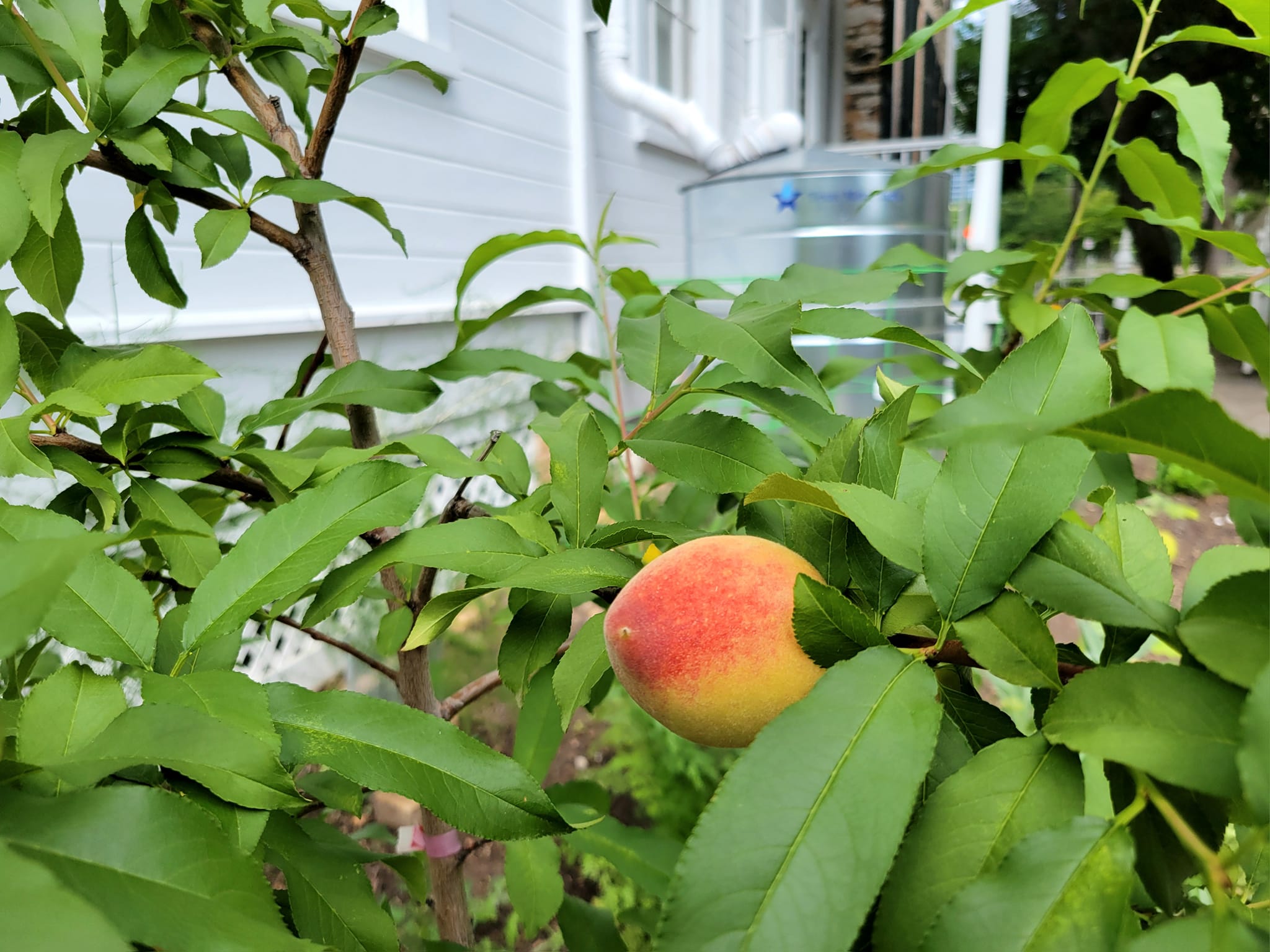
Modern Rainwater Cistern

Garden Peach Tree

Garden Plumbago

Garden Peppers